Monitoring cross-border air quality on the Romania–Serbia frontier with a 20-station Polludrone network
24 October 2025
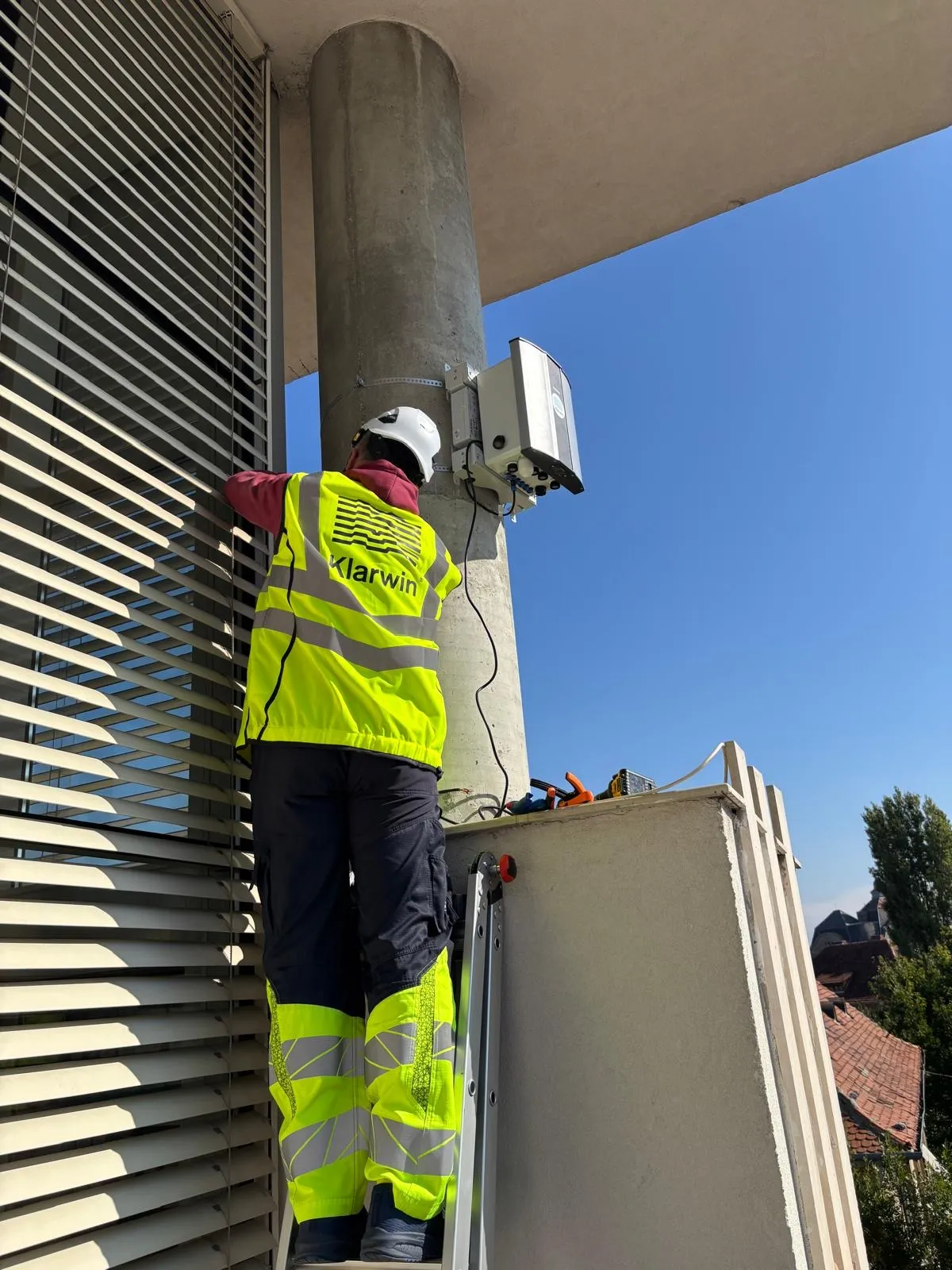
Timiș County Council deployed 20 Oizom Polludrone stations along the Romania–Serbia border, giving authorities on both sides a shared, real-time view of air quality and a data-driven foundation for cross-border environmental decisions.
Timiș County Council deployed 20 Oizom Polludrone Air Quality Monitoring Stations across towns near the Romania–Serbia border to provide continuous, locally distributed pollution data. As part of the INTERREG IPA Romania–Serbia 2021–2027 "Blue Sky – The Solution to Air Pollution" project, the network measures particulate matter, key regulated gases, and meteorological parameters, streaming data in real time to the Envizom platform.
This network provides a modern, evidence-based foundation for environmental decision-making and cross-border cooperation, directly linking monitoring data to regional action.
The challenge
The Romania–Serbia border region is shaped by a mix of agricultural activity, road traffic, and industrial processes; each contributes to the depletion of ambient air quality in ways that are difficult to disentangle without dense local measurements.
Before this project, the area lacked local monitoring, making it hard to accurately identify pollution sources or assess their actual impact on the population and the environment. To address this gap, Timiș County Council established a monitoring network to enable:
- Continuous collection of air quality data across multiple locations, rather than isolated or periodic sampling.
- Identification of how pollutant concentrations vary between different areas of the territory.
- Correlation of pollution with prevailing weather conditions to understand dispersion and likely sources.
- Greater transparency and public access to environmental information.
- Support for cross-border cooperation on environmental protection between Romania and Serbia.
Why Oizom Polludrone
A cross-border monitoring network must measure multiple pollutants and meteorological variables simultaneously, remain reliable in outdoor conditions, and provide data to a single trusted platform. Oizom's Polludrone was selected to meet exactly these requirements, addressing these needs in a single modular outdoor unit:
- Multi-parameter sensing in one station — particulates, regulated gases, and meteorological data — reducing the cost and complexity of separate instruments.
- Field-grade reliability, with an outdoor-rated enclosure and onboard data handling for continuous, unattended operation across rural and peri-urban sites.
- Native integration with Envizom, enabling all stations to stream to a single cloud platform and operate as a single, coherent network.
- Meteorological data alongside pollutants, enabling correlation of concentrations with weather to identify dispersion and sources.
Polludrone — Comprehensive Multi-Parameter Station
Advanced monitoring system for hyperlocal, real-time data collection. Measures pollutants, noise, odor, weather and radiation — with integrated AI for predictive analytics and actionable insights.
Read more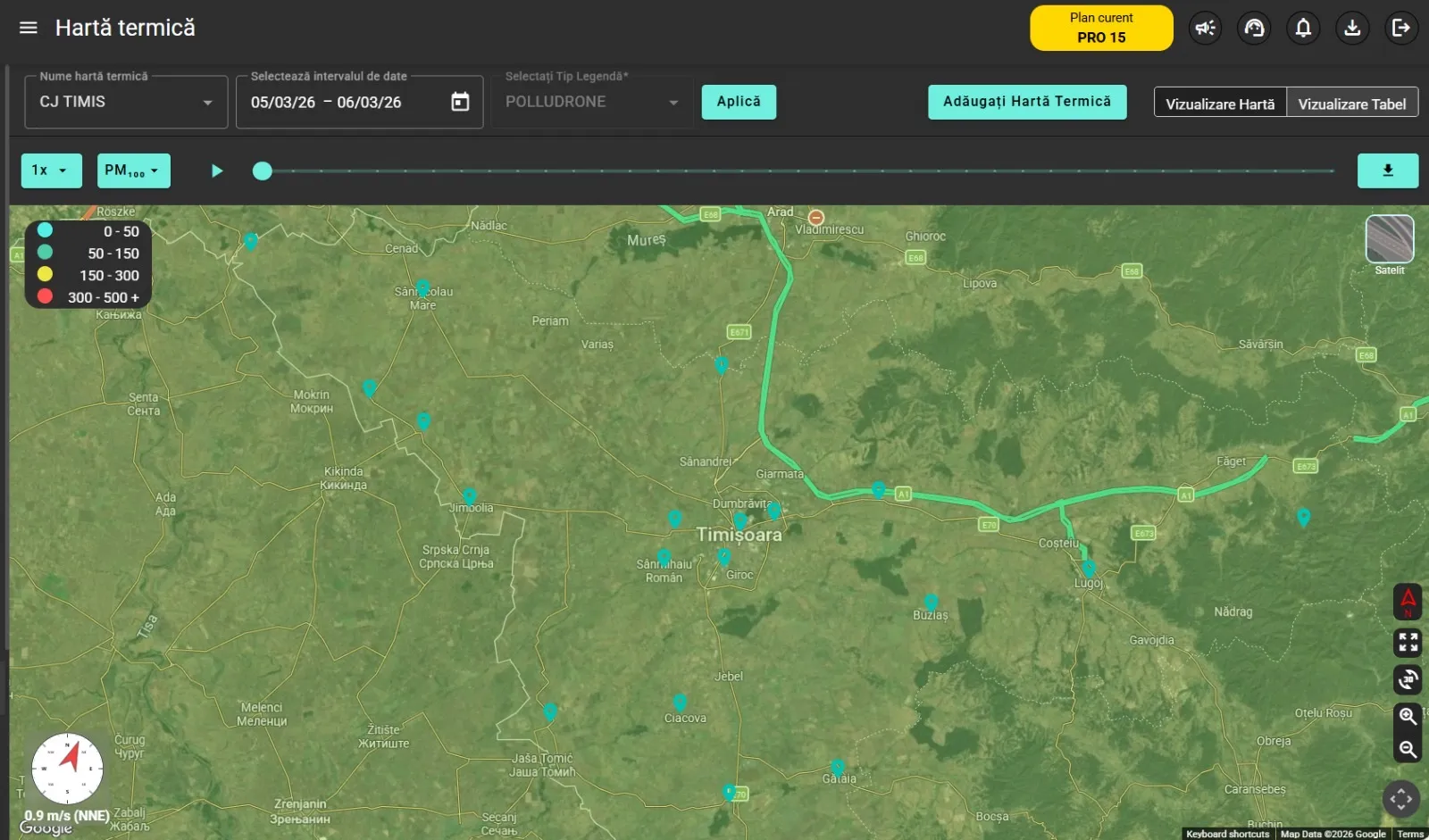
The deployment
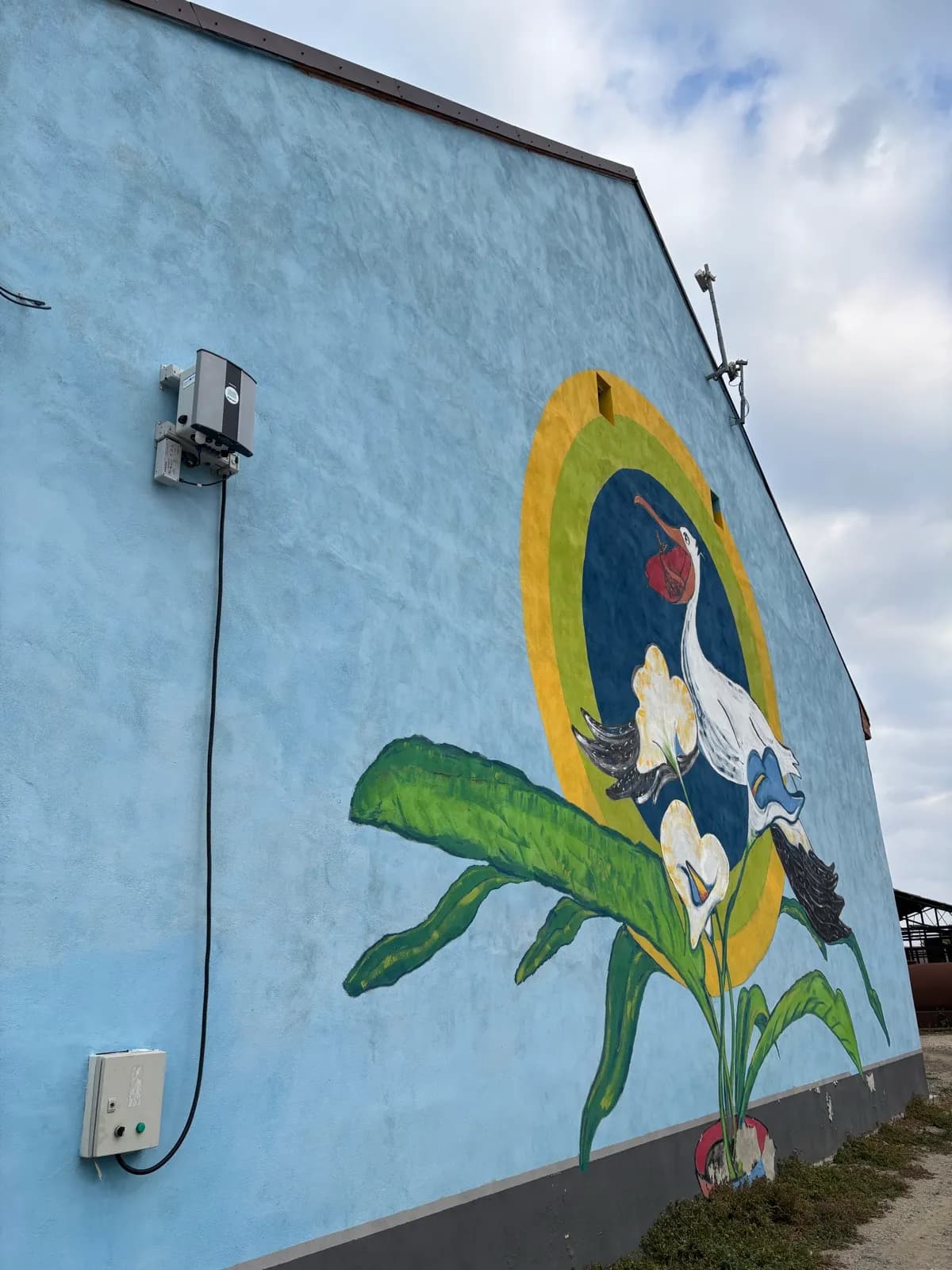
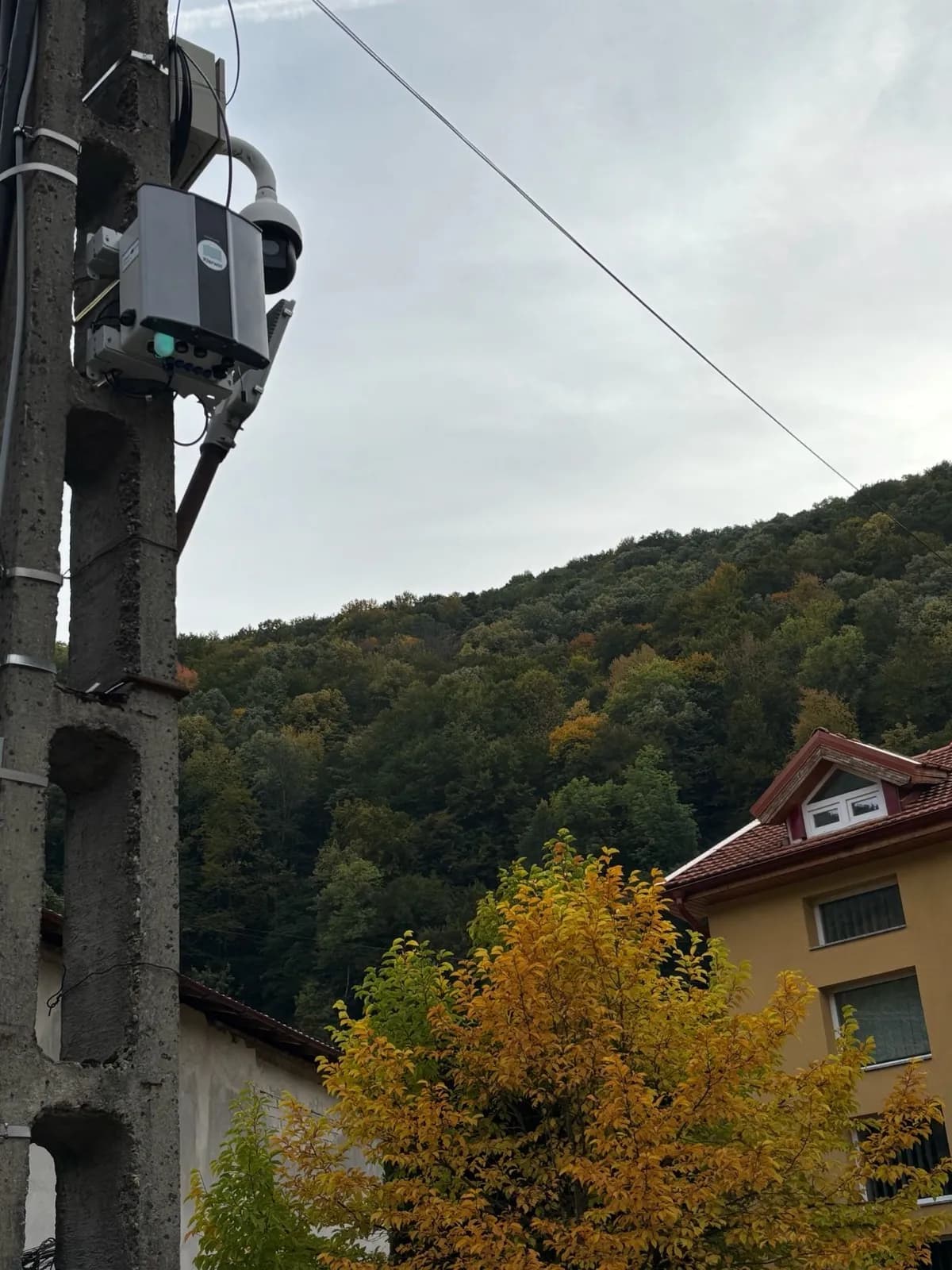
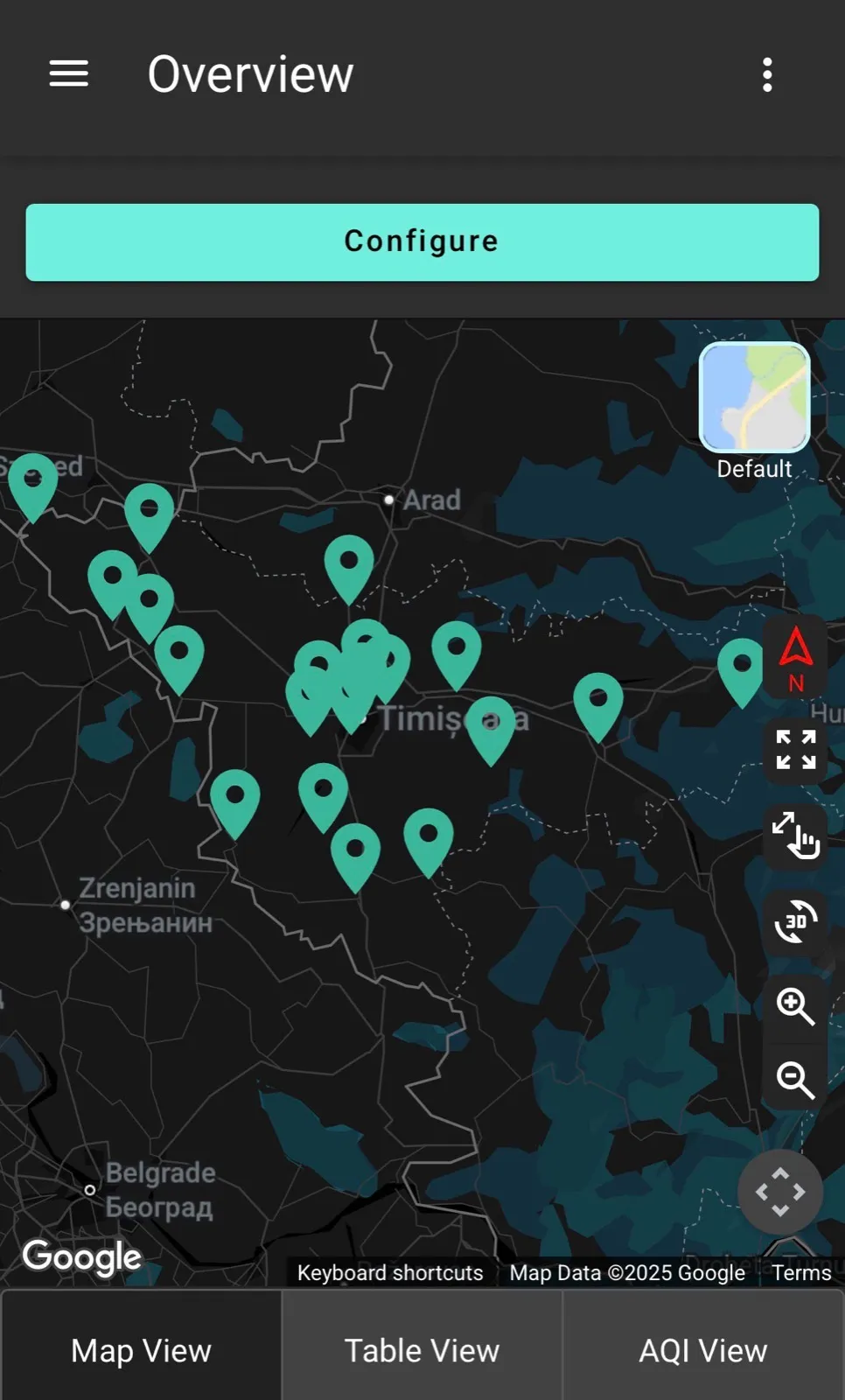
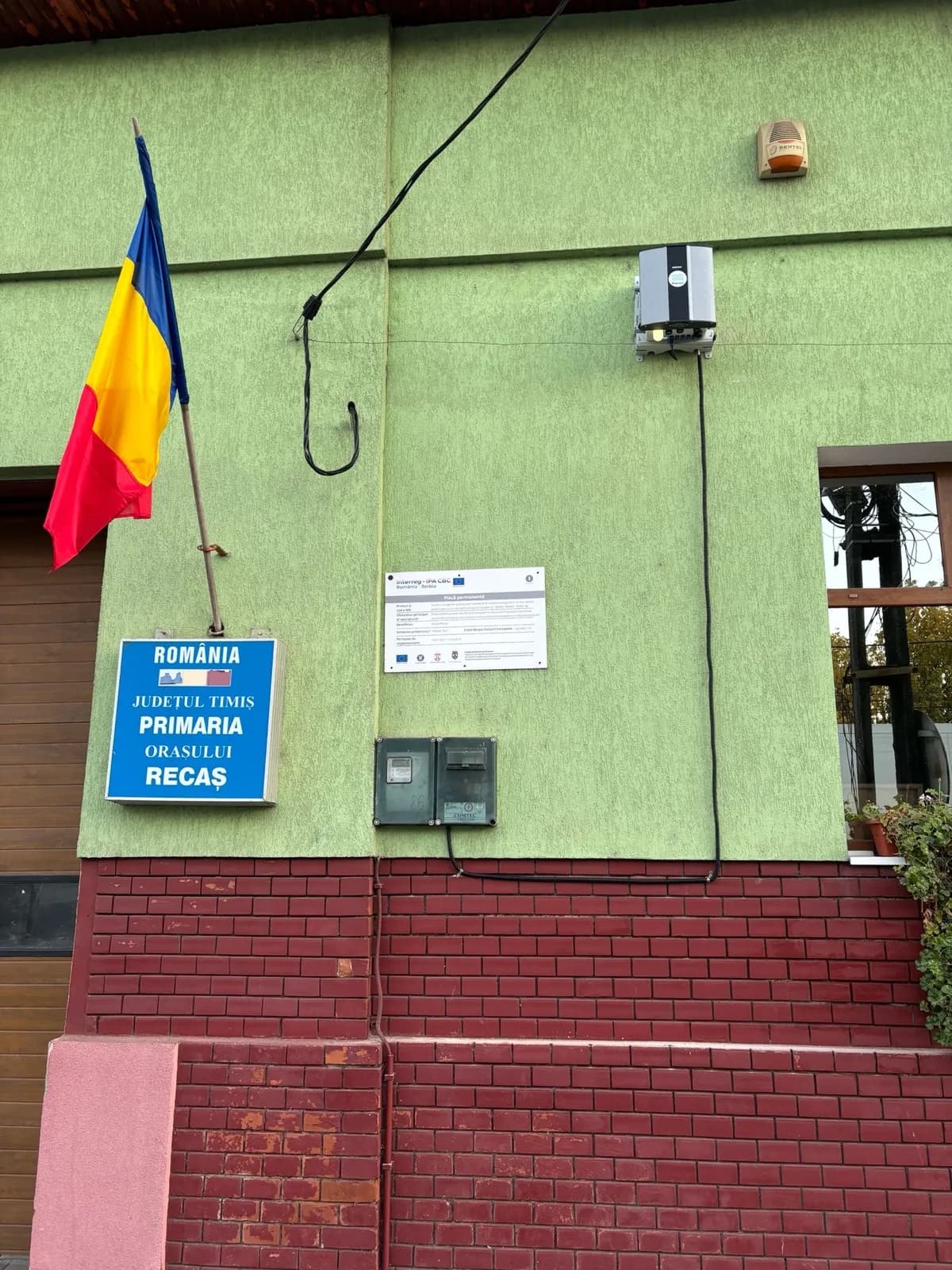
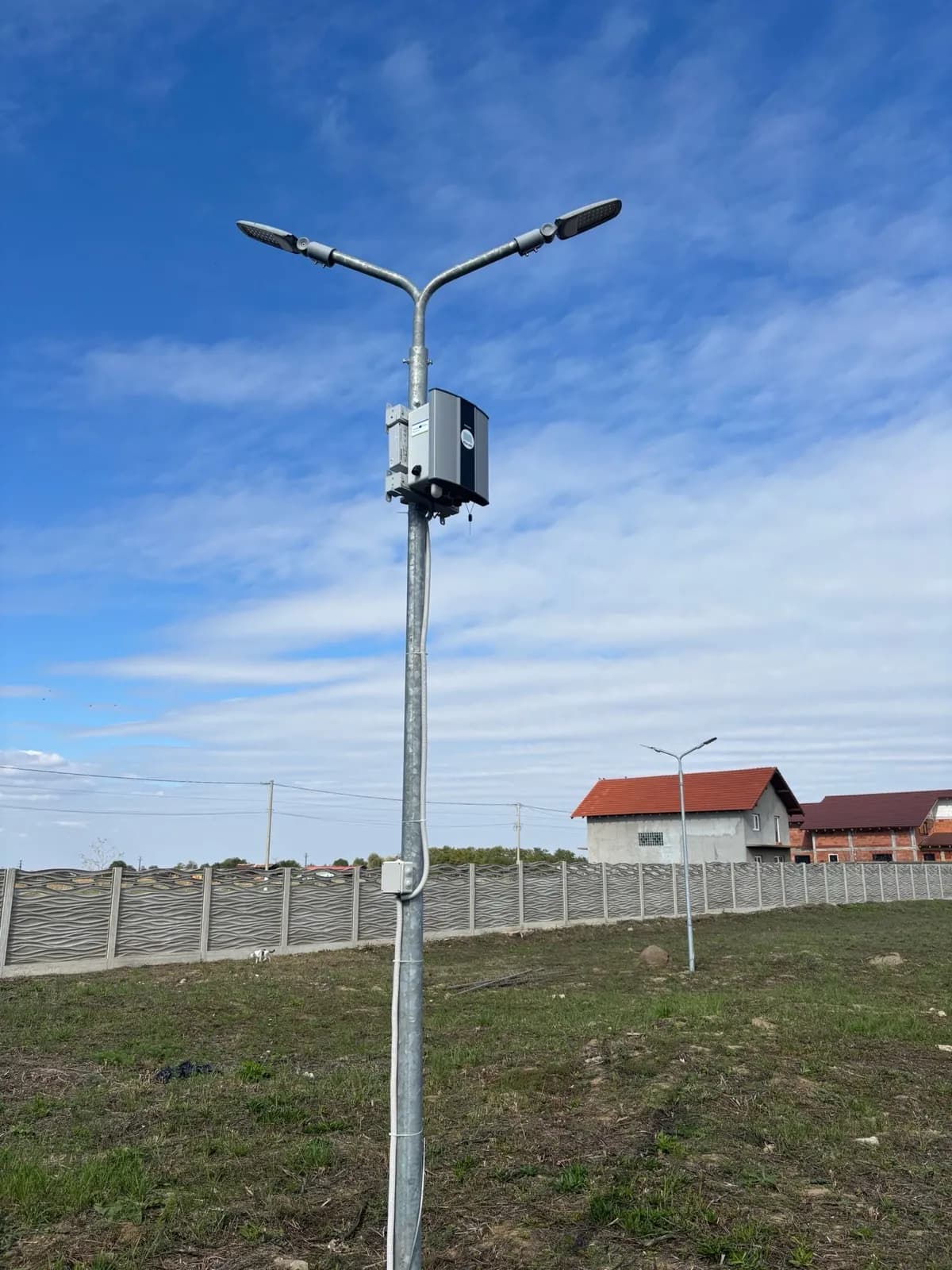
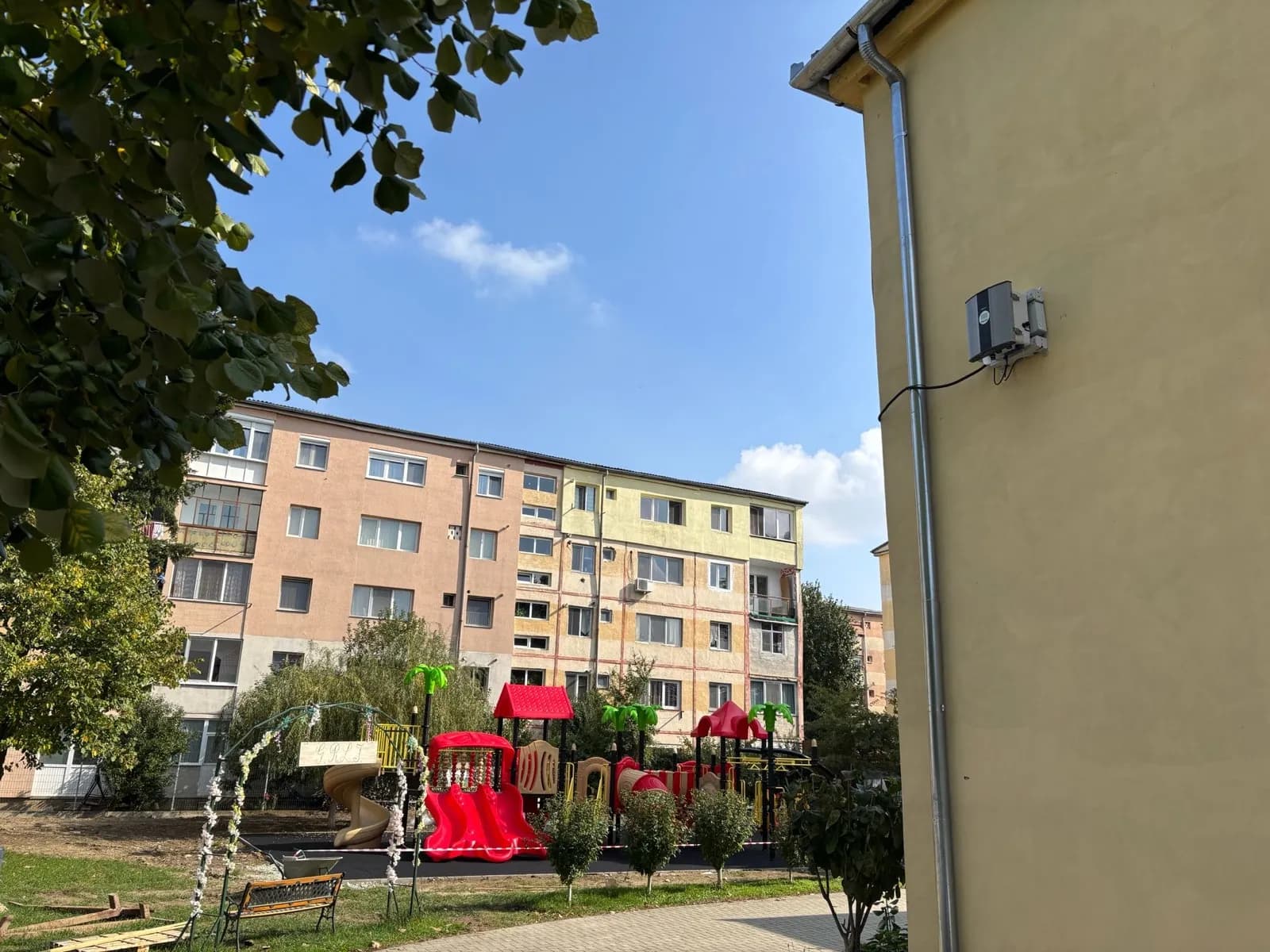
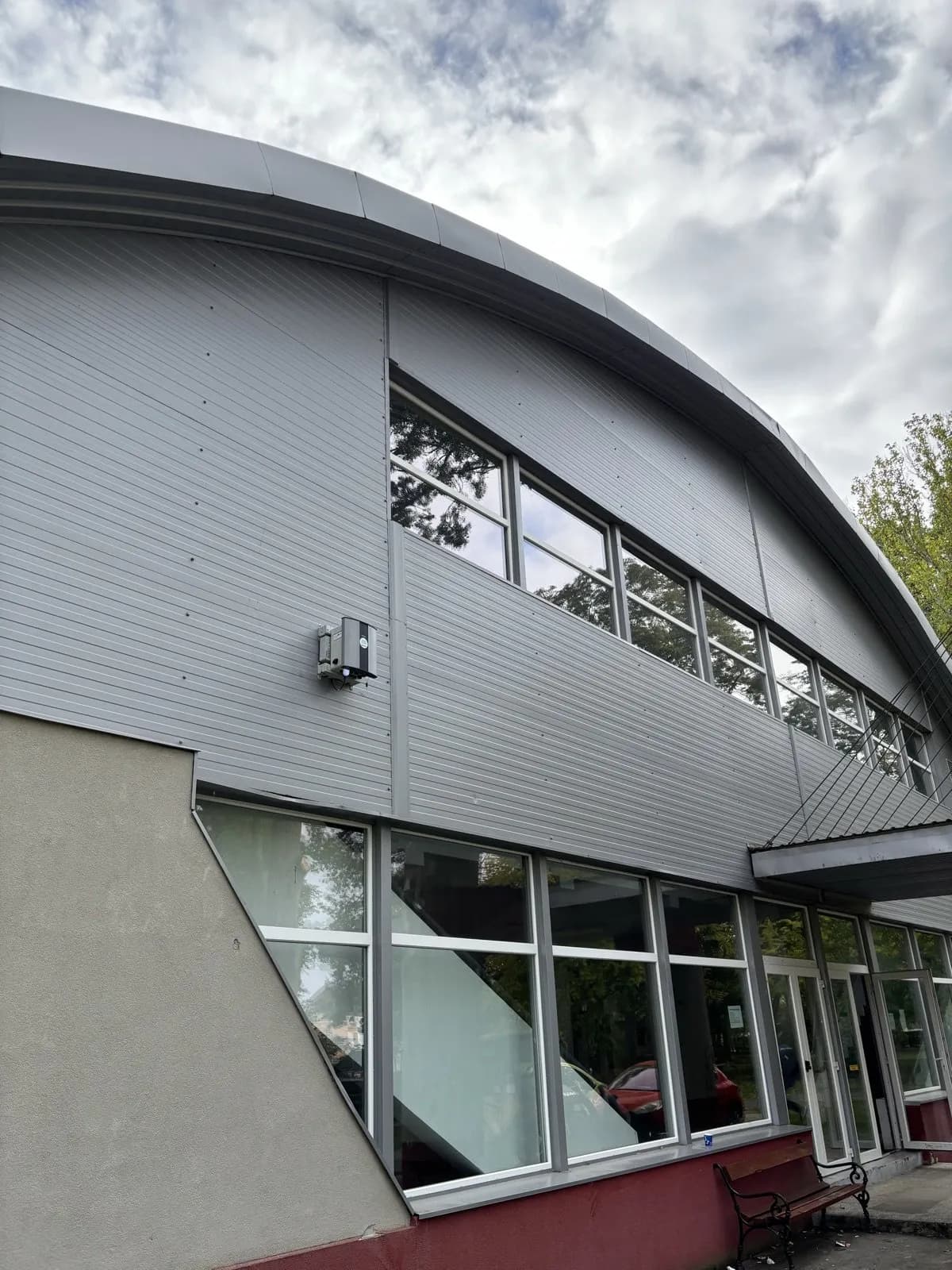
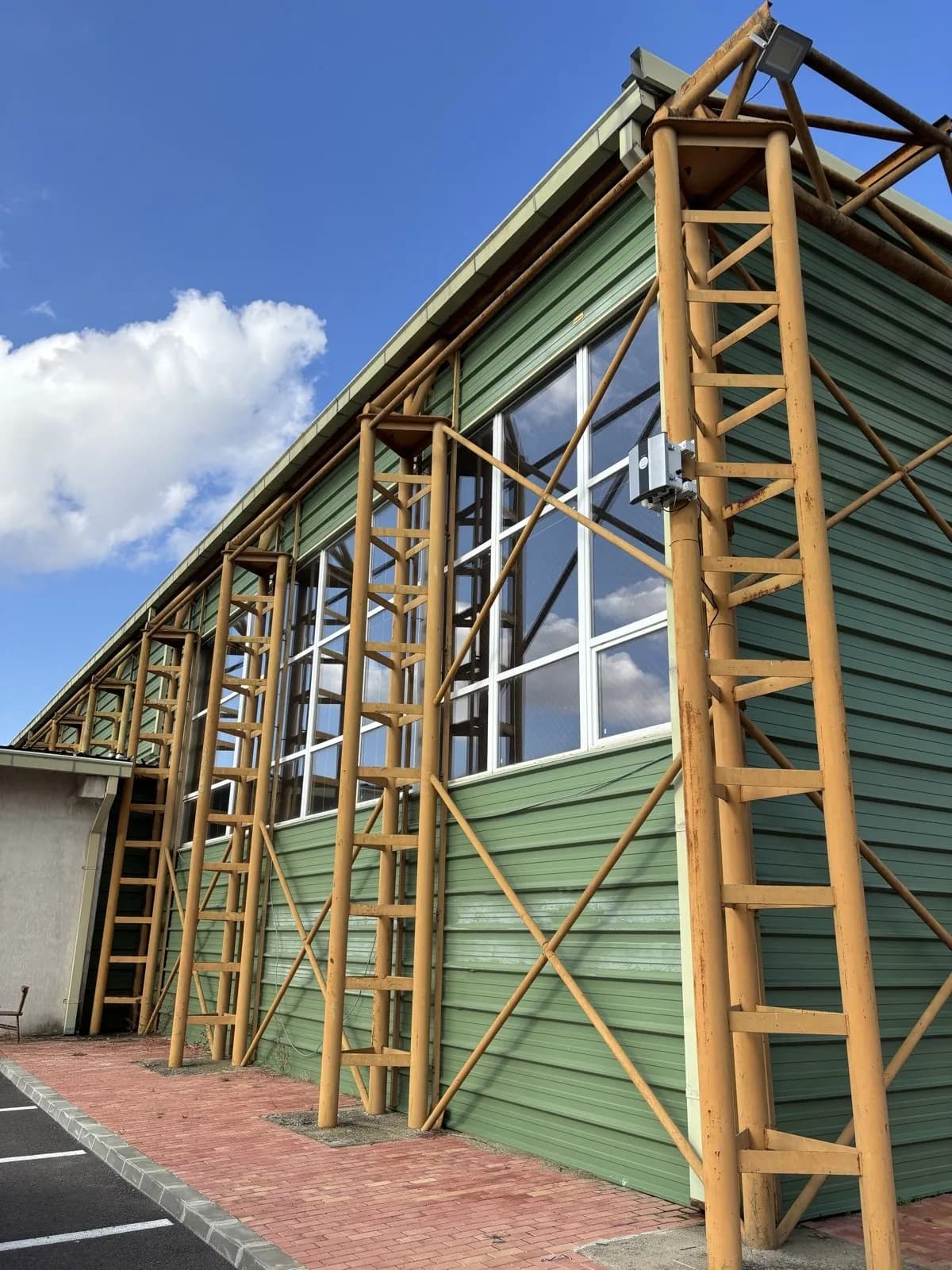
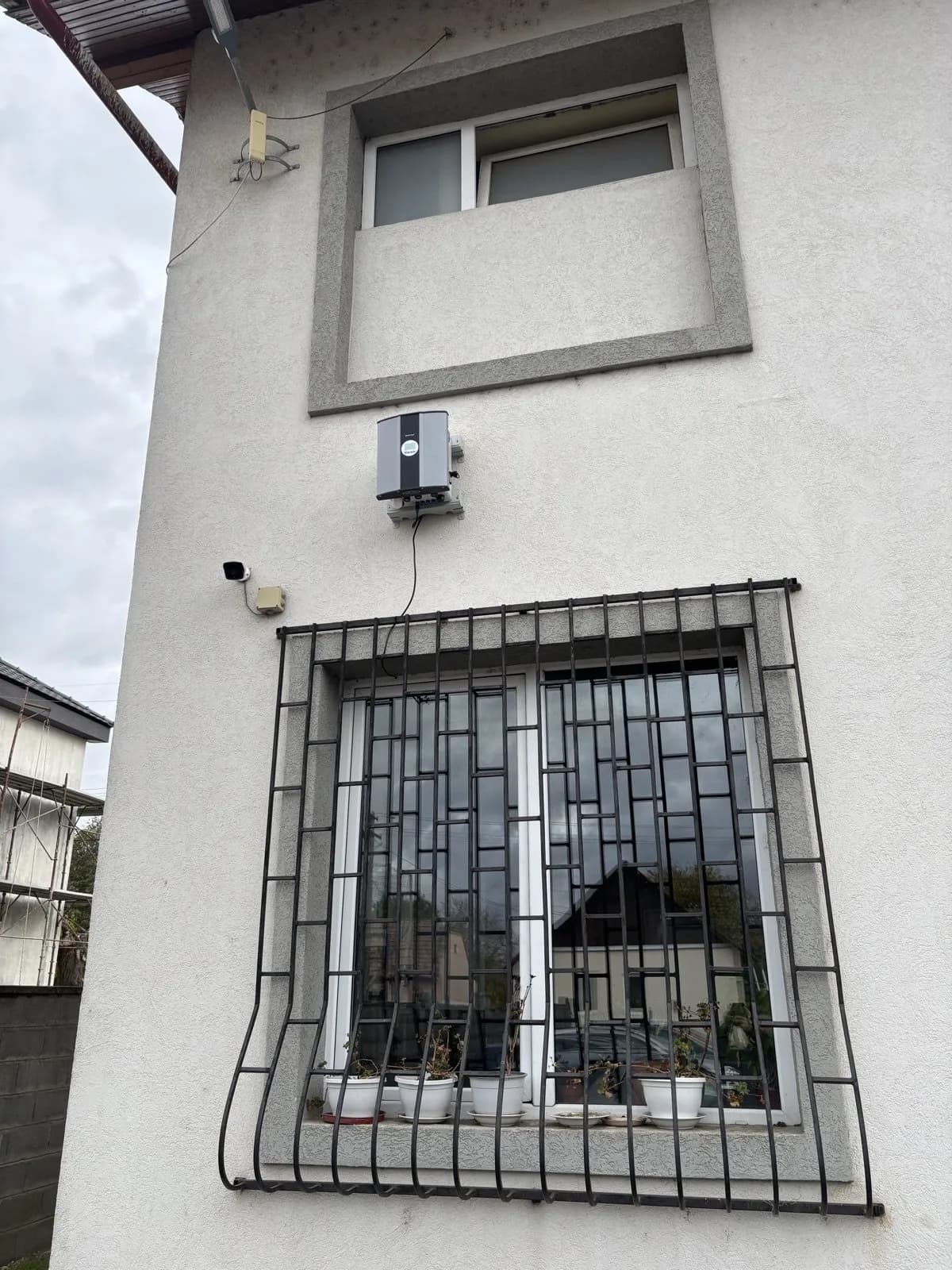
A network of 20 Polludrone stations was installed across the Serbia–Romania cross-border area, forming a distributed network to capture local variations in air quality. Each station continuously samples its environment and automatically transmits data to Oizom's AI-powered platform, Envizom, for real-time aggregation, visualization, and analysis.
To make air quality information easier for the general public to understand, a Beam Light was installed externally on the device. Operating on real-time AQI (Air Quality Index) readings, the Beam Light provides an instant visual indication of air quality through color-coded alerts, allowing the general public to quickly assess air quality.
Each station monitors a wide range of pollutants and meteorological parameters:
- Particulate matter: PM1 (very fine), PM2.5 (fine respirable), PM10 (inhalable), and PM100.
- Gases: SO₂ (sulfur dioxide), O₃ (ozone), NO₂ (nitrogen dioxide), CO (carbon monoxide).
- Meteorology: atmospheric pressure, temperature, relative humidity, wind speed, and wind direction.
By measuring meteorological parameters alongside pollutants, the network can correlate pollutant concentrations with wind speed and direction, which is essential for tracing pollution sources in a region with diverse activities.
Results
The monitoring network has transformed how environmental authorities understand, manage, and communicate air quality across the region. By delivering continuous, highly accurate data, it enables faster responses, deeper insights, and stronger cross-border environmental collaboration.
Key outcomes
Continuous air quality visibility
Real-time access to environmental data across the monitored area, and early identification of pollution events and changing air quality conditions.
Deeper environmental insights
Improved understanding of pollutant movement through correlation with meteorological conditions, plus easy identification of potential emission sources and pollution hotspots using Envizom's dashboard and analytics features.
Stronger cross-border collaboration
Shared environmental intelligence between Romanian and Serbian authorities, and a better assessment of transboundary pollution and its regional impacts.
Greater transparency & public trust
Reliable, accessible air quality information for communities, fostering greater public awareness and informed engagement on environmental issues.
Compliance-ready reporting
Automated generation of air quality reports through Envizom reduces manual effort, while reliable historical records and trend data support environmental compliance, regulatory submissions, and long-term policy evaluation.
Impact
By implementing this network, Timiș County Council has advanced toward a modern environmental monitoring system. The solution enhances the region's capacity to monitor air pollution, supports data-driven decisions, reinforces cross-border cooperation, and helps protect public health and the environment.
Frequently asked questions
What is the Blue Sky air quality monitoring project?+
The Blue Sky project is a cross-border initiative focused on improving air quality and reducing harmful pollutants in the Romania–Serbia border region. Co-funded by the EU, it works to foster cleaner, healthier environments by deploying 20 Oizom Polludrone stations near the Romania–Serbia border to provide continuous, locally distributed pollution data.
How many air quality monitoring stations were installed?+
Twenty Oizom Polludrone stations were installed across towns in Timiș County, Romania, close to the border with Serbia.
What pollutants and parameters does the network measure?+
Each Polludrone station measures particulate matter (PM1, PM2.5, PM10, and coarser fractions), gases (SO₂, O₃, NO₂, CO), and meteorological parameters (atmospheric pressure, temperature, relative humidity, wind speed, and wind direction).
How is the air quality data accessed and analyzed?+
All stations transmit data automatically and continuously to Envizom, Oizom's cloud platform, where it can be visualized and analyzed in real time and used to assess regional air quality.
Why use a distributed network instead of a single monitoring station?+
A distributed network of 20 stations captures how pollution varies across towns and helps authorities correlate concentrations with local wind conditions to identify likely sources of pollution.
Tags