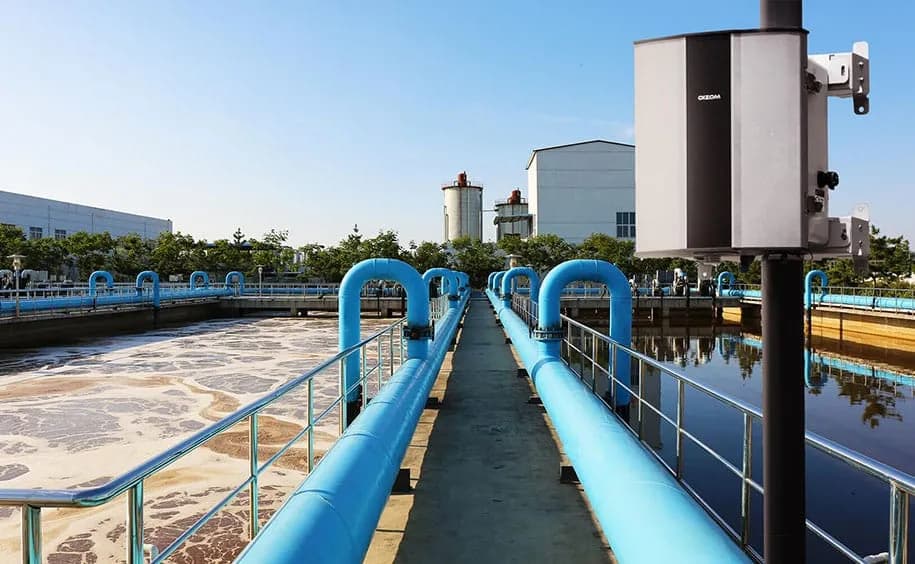
Monitoring odor discomfort from wastewater treatment plants
10 July 2024
Efficient management of odors is crucial for maintaining a positive relationship between treatment plants and surrounding communities.
Wastewater treatment plants perform an essential public service, but they often generate odors that cause significant discomfort to surrounding communities. Hydrogen sulfide, ammonia, and various volatile organic compounds produced during the treatment process can travel considerable distances, particularly under certain meteorological conditions. Efficient management of these odors is crucial for maintaining a positive relationship between treatment plants and their neighbors.
Continuous monitoring with Odosense
Oizom's Odosense monitoring system provides wastewater treatment plants with continuous, real-time odor monitoring capabilities. By measuring the specific compounds responsible for odor — including H₂S, NH₃, mercaptans, and VOCs — along with meteorological parameters, Odosense creates a comprehensive picture of odor generation and dispersion. This data enables plant operators to correlate odor events with specific process stages, weather conditions, and community complaints, leading to more effective odor management strategies.
The combination of continuous monitoring data and predictive analytics allows plant operators to shift from reactive complaint management to proactive odor prevention — a fundamental change in how wastewater facilities manage their community impact.
Tags