
Klarwin and Gutermann launch G-DEPLOY in Romania, at ExpoApa 2026
15 September 2026
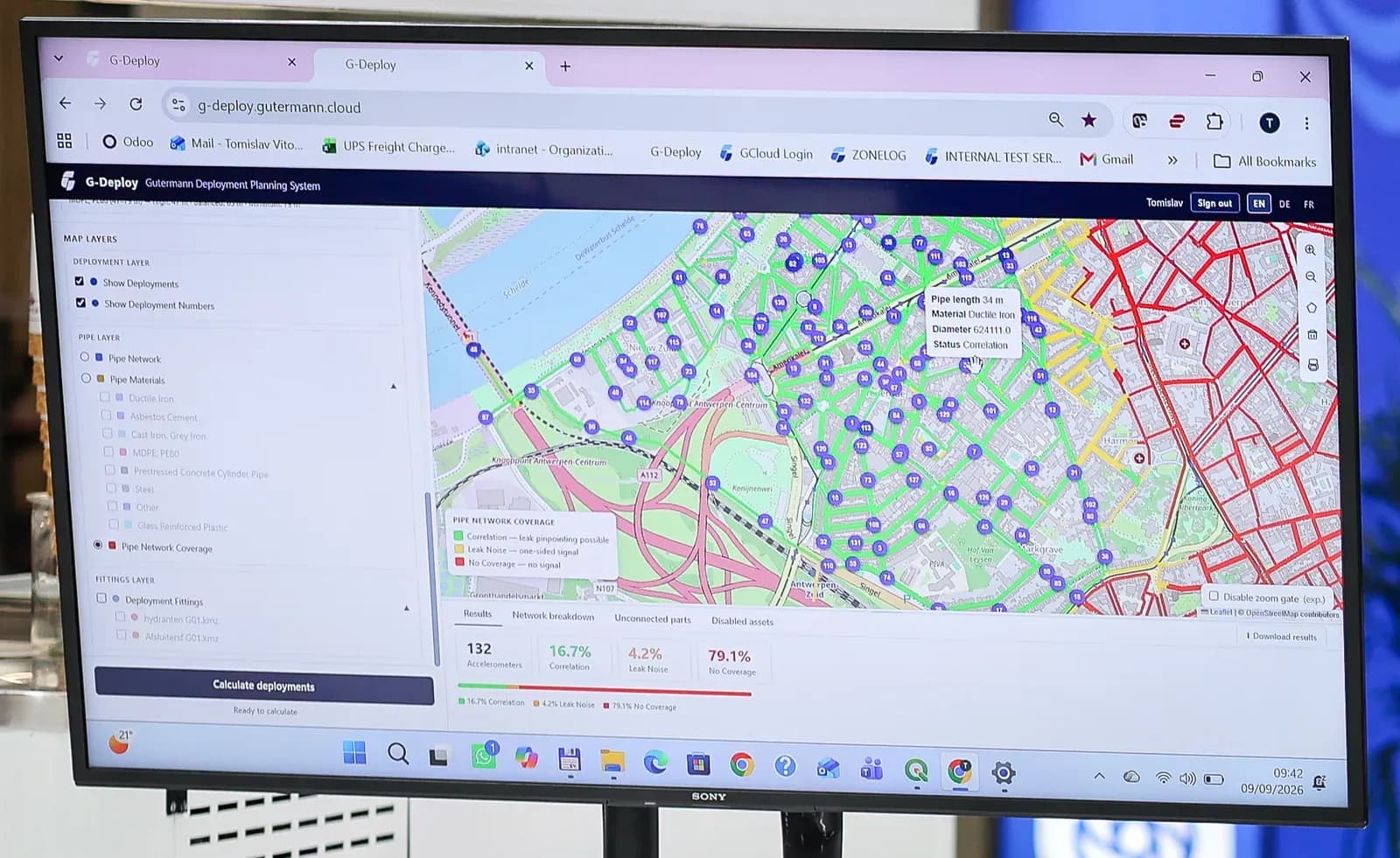
A premiere for Romania at the Klarwin booth: G-DEPLOY, the Gutermann platform that moves leak-detection network planning into the digital space — where to place sensors, how many devices are needed, and what coverage the available resources can deliver.
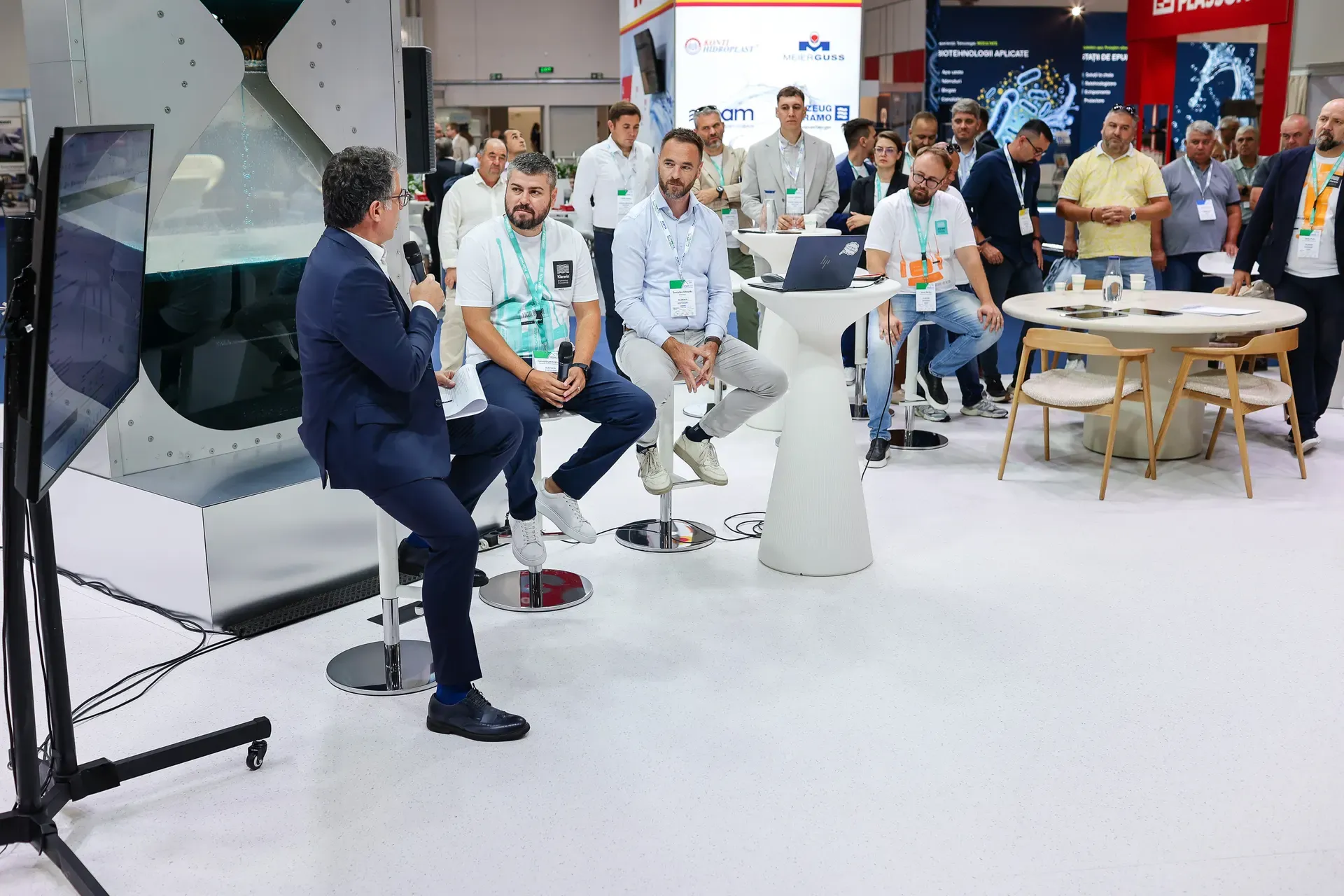
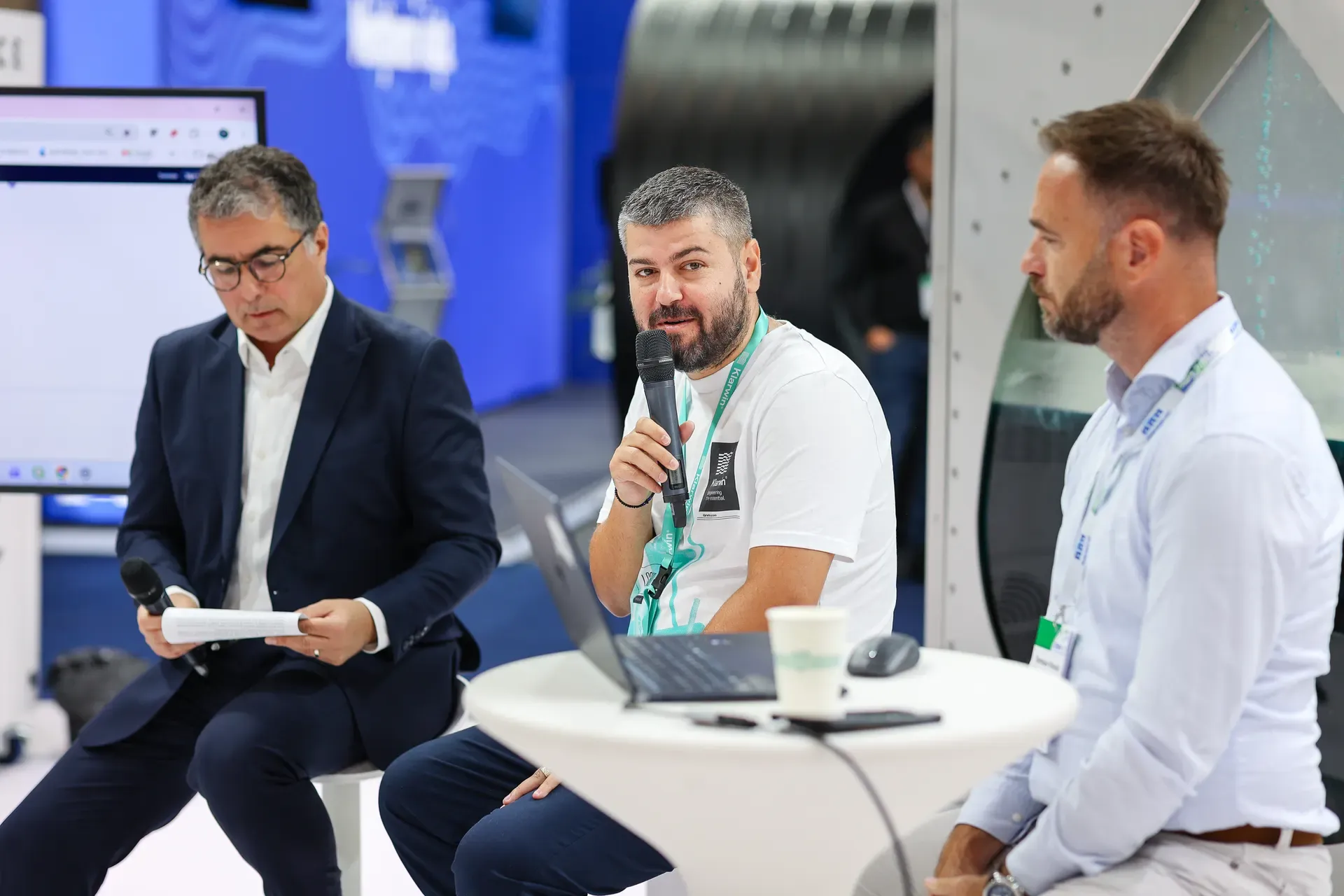
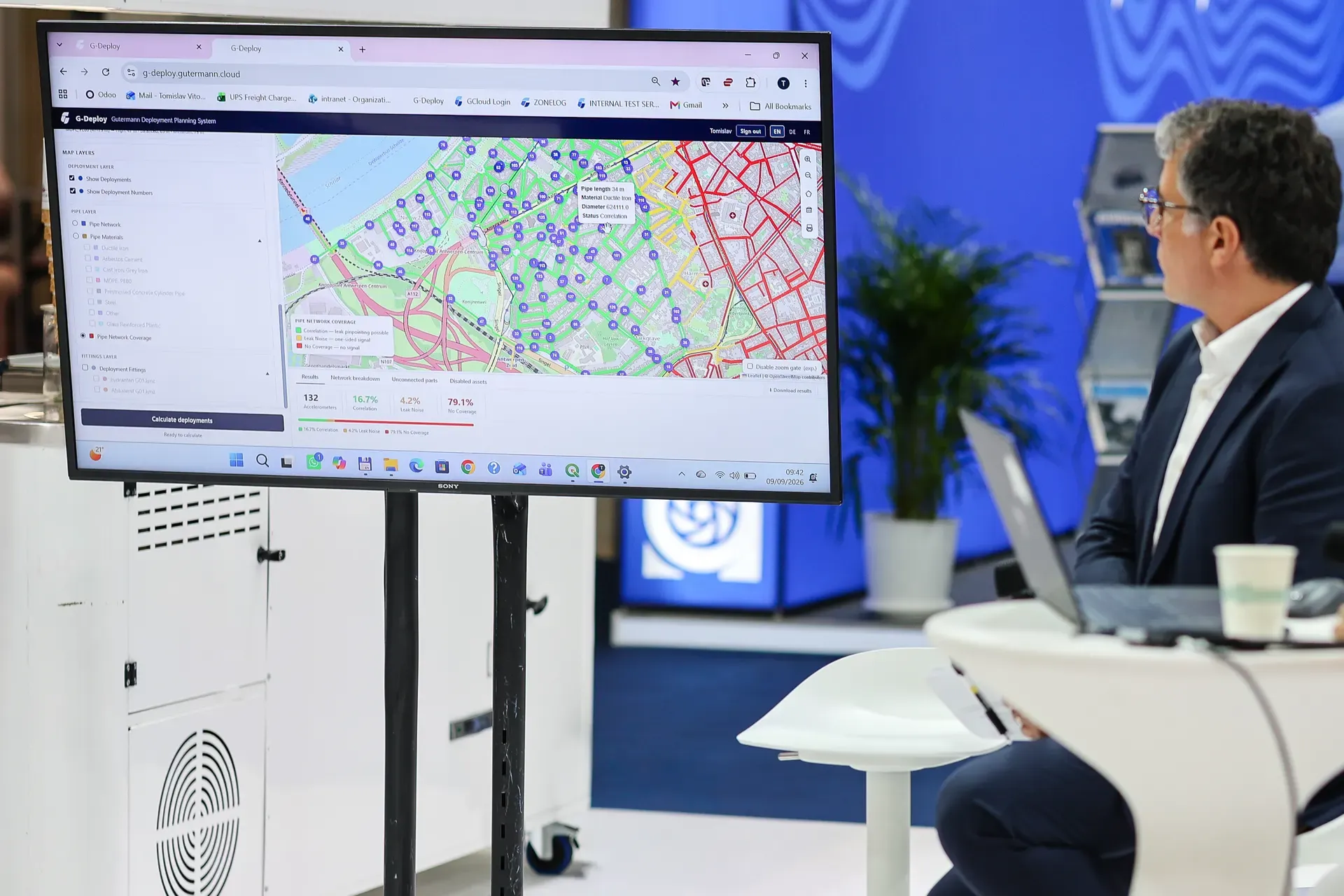
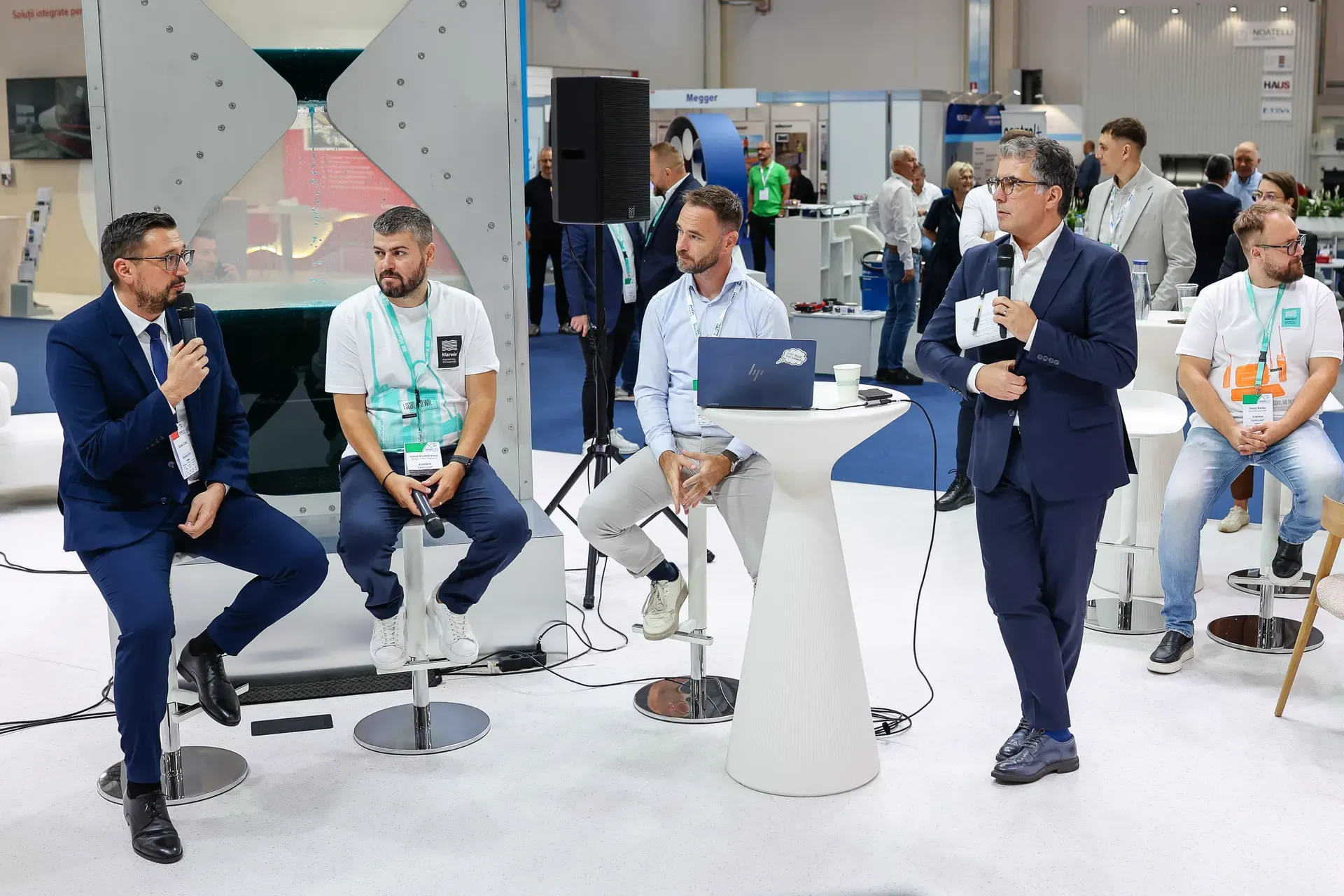
The second day of ExpoApa 2026 brought a premiere for Romania to the Klarwin booth: the launch of G-DEPLOY, the new platform from our partner Gutermann. Together with Tomislav Vitovski, Sales Manager EMEA at Gutermann and leak-detection specialist, we presented the platform that moves leak-detection network planning into the digital space: where to place the sensors, how many devices are needed, and what coverage can be achieved with the available resources. The session was moderated by TV presenter Cristian Leonte (PRO TV).
Every sensor must count
In a year marked by drought, missing rainfall and restrictions, reducing water losses is no longer just a technical topic — it is an operational and financial priority. Before asking for additional sources, the water already being lost in the network has to be brought under control.
G-DEPLOY turns the question “how many sensors do we buy?” into “what operational result do we get from the sensors we have?”.
What is G-DEPLOY?
G-DEPLOY — the Gutermann Deployment Planning System — turns network data into a concrete acoustic-logger placement plan. Most water utilities lack the time, the prepared data and the available specialists to plan a detection network properly: how many sensors are needed, where they should go, what can be done with the existing fleet, and how an extension should be justified. These are exactly the questions G-DEPLOY takes over.
The input data
The network layout (KML/KMZ or GIS export) and the available installation points: valves, hydrants, fittings.
The placement strategies
Three comparable scenarios — Economic, Balanced and Conservative — depending on the objective and the available budget.
The output
The number of loggers required, the acoustic coverage of the network, covered and uncovered areas, and a KMZ export for field teams.
The value for the operator
A visual, justifiable decision for both the operations team and management: the map becomes the basis of the investment plan.
From a map to a loss-reduction programme
For Klarwin, G-DEPLOY is not a piece of software sold on its own, but one stage of a complete Non-Revenue Water (NRW) reduction programme:
- Prioritisation: the areas with NRW risk and impact — loss history, failures, pipe material, pressure, criticality.
- G-DEPLOY planning: acoustic coverage and optimal sensor placement in the selected areas.
- Deployment and operation: installation, validation and continuous monitoring with ZONESCAN.
- Detect, confirm, repair: suspicions are verified in the field, leaks are repaired, and the water saved becomes measurable.
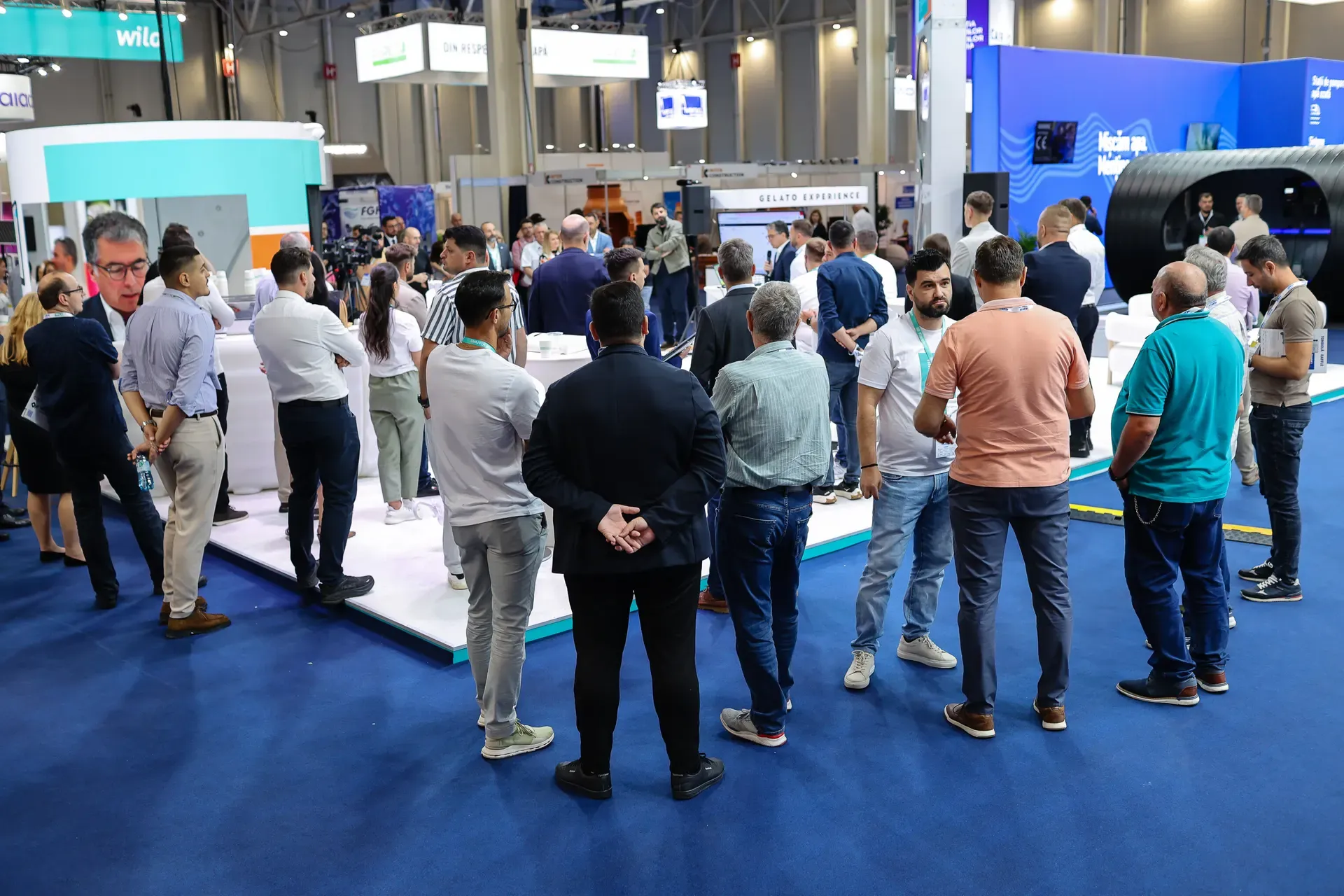
The live demonstration also opened a wider discussion about a challenge we meet in more and more projects: how to use data and technology to make better decisions before any intervention in the field. The conversations continued throughout the day — from loss reduction and monitoring to treatment, reuse and the integration of new technologies into existing infrastructure.
G-DEPLOY Network Review
Water operators interested can send us their network layout and available installation points. We prepare the current coverage picture, extension scenarios and a phased deployment plan — ready to discuss with management.
Contact a consultantThe launch, in pictures
Thank you to Tomislav Vitovski and the Gutermann team for joining the launch, to Cristian Leonte for moderating, to Daniel Craia, Executive Director of the Romanian Water Association (ARA), for attending, and to everyone who was with us at the booth.









Frequently asked questions about the technology
What is G-DEPLOY and what does it do?+
G-DEPLOY (the Gutermann Deployment Planning System) is a digital platform that plans where to place acoustic leak-detection sensors on a water distribution network. Starting from the network layout and the available installation points (valves, hydrants, fittings), it calculates how many acoustic loggers are needed, where to position them, and what coverage results — comparing Economic, Balanced and Conservative scenarios. Klarwin brings it to water utilities in Romania as Gutermann's regional partner.
How does acoustic water-leak detection work?+
Acoustic loggers (such as the Gutermann ZONESCAN) are mounted on network fittings and “listen” for the noise a pressurised leak makes as water escapes from the pipe. Correlating that sound between neighbouring loggers pinpoints the likely location of the leak before it surfaces, so crews can dig and repair in exactly the right spot. G-DEPLOY decides where those loggers should sit to “hear” as much of the network as possible.
How many sensors does a water network need, and where do they go?+
There is no fixed number — it depends on pipe length and material, the network layout and the coverage target. G-DEPLOY answers this per network: it turns the pipe map and the available mounting points into a placement plan and shows the acoustic coverage achieved with a given number of loggers, so the operator can size the investment instead of guessing.
What data is needed for a G-DEPLOY analysis?+
The network layout as KML/KMZ or a GIS export, the available installation points (valves, hydrants, fittings) and the priority zone/DMA. Optional but useful: existing Gutermann sensors, NRW figures for prioritisation, and a budget or coverage target. G-DEPLOY is only as good as the data entered, which is why Klarwin helps prepare and interpret it.
Who is G-DEPLOY for, and is it available in Romania?+
It is built for water operators that want to reduce physical losses (Non-Revenue Water, NRW) — whether they are preparing a 2027 budget, already own Gutermann sensors, or have a limited number of sensors to deploy for maximum impact. Klarwin offers it in Romania as part of a complete NRW reduction programme, from planning to installation (ZONESCAN), monitoring and leak repair. Operators can request a G-DEPLOY Network Review of their own network.
Tags